The TV wall is the first thing people notice when they enter your living room, so it deserves real thought. A good TV unit does three jobs at once: it holds your TV and devices neatly, it hides messy wires, and it becomes the design centrepiece of the room. These TV unit design ideas cover the most popular styles we build for homes in Greater Noida West, plus simple tips on size, lighting and storage so your living room looks balanced and modern.
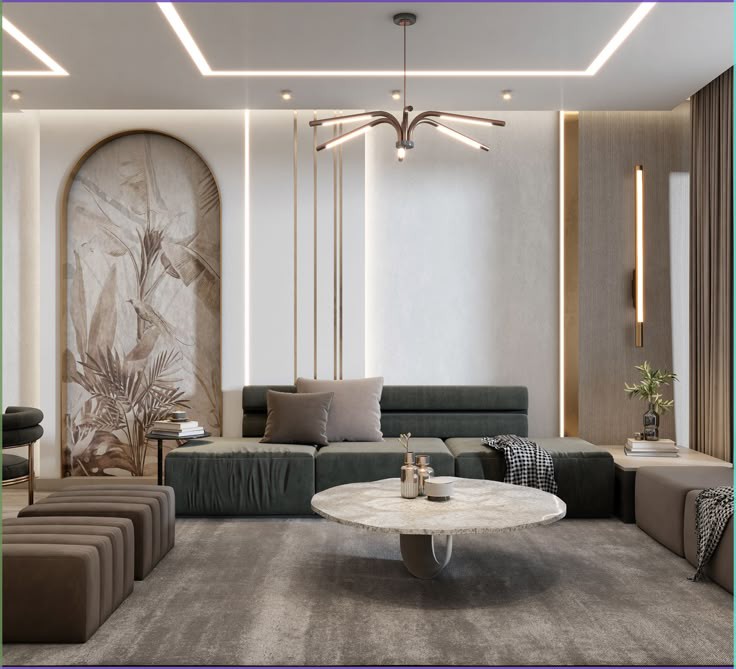
Popular TV unit and wall design styles
1. Floating wall-mounted unit
A floating unit fixed to the wall with no legs is the most popular choice today. It looks light and modern, frees up the floor and is easy to clean under. It is perfect for small and medium living rooms where you want an open, airy feel.
2. Full wall panelling
Here the entire wall behind the TV becomes a feature, finished in laminate, veneer or a contrasting colour. It frames the TV and gives a rich, designed look. You can add open shelves or backlit niches to display decor pieces.
3. Fluted or louver panel wall
Vertical fluted panels or PVC louvers behind the TV add texture and depth. They are trending strongly in Indian homes because they look premium, hide wires well and pair beautifully with warm lighting.
4. TV unit with storage and drawers
For families who need to store games, remotes, cables and devices, a unit with closed drawers and cabinets keeps everything hidden and tidy. This is the most practical option for homes with children.
5. TV unit with open shelves and display
Combining the TV with open display shelves lets you show books, plants and decor around the screen. It works well in larger living rooms and adds personality to the wall.
6. Stone or textured accent wall
A natural stone, marble-look tile or textured wall behind the TV creates a bold, luxurious focal point. Best used with a slim floating unit so the wall itself remains the hero.
7. TV unit with wardrobe or partition
In open layouts, the TV wall can double as a partition or include side storage that connects to the rest of the room. This is a smart space-saving idea for compact 2BHK flats.
Talk to a Designer: 8587012116Get the size and height right
The most common mistake is mounting the TV too high. The centre of the screen should sit near eye level when you are seated on the sofa, usually around 100 to 110 cm from the floor. The unit width should be wider than the TV so it looks balanced, not cramped. And always leave enough wall space around the TV so the panel does not feel crowded.
Lighting and wire management
Good lighting makes a TV wall feel premium. Add a soft cove light above, LED strips inside niches, or a warm spotlight on a textured panel. Just as important is wire management: plan power and HDMI points right behind the TV and run cables through a concealed conduit during interior work. A clean wall with no visible wires instantly looks more expensive.
Match the TV wall to your room
Keep the TV unit in tune with the rest of your living room. Pick finishes that go with your sofa, flooring and overall palette. In a small room, a slim floating unit in light tones keeps things open. In a large room, a full panelled wall with storage and lighting adds drama. The goal is a TV wall that feels built for your room, not bought off a shelf.
Choosing a style for your room size
With so many options it helps to narrow down by room size. For a compact 2BHK living room, a slim floating unit with a fluted or laminate panel keeps things light and clutter-free. For a medium room, full wall panelling with a few backlit niches gives a designed look without overwhelming the space. For a large living room, you can go bold with a stone or textured feature wall and a combination unit that mixes closed storage with open display. Matching the scale of the TV wall to the room is what makes it feel professionally designed rather than just assembled.
Storage you should plan into the unit
A TV unit is also a chance to add hidden storage that keeps the living room tidy. Think about what needs a home near the TV: the set-top box, gaming console, sound system, remotes, cables and chargers. Closed drawers keep small items out of sight, while a ventilated section keeps devices from overheating. In smaller flats, extending the unit with tall side cabinets adds useful storage for books, files and everyday clutter without taking extra floor space. Good storage planning is what separates a unit that stays neat from one that always looks messy.
Colours and finishes that age well
Trends change fast, so it is wise to keep the main structure in timeless tones like wood, white or grey, and bring trendiness through smaller, easy-to-change elements such as decor, lighting or a single coloured niche. Mixing two finishes, for example a wooden panel with a matte dark base, adds depth without looking dated in a year. Avoid very loud colours across the whole wall, since the TV wall is a large surface you will look at every day. A calm, well-finished base lets your television and decor stand out instead of fighting with the wall.
Design your perfect TV wall with us
At Design To Decor we design and build custom TV units and feature walls for homes across Greater Noida West and Noida Extension. We handle the panelling, storage, lighting and wire concealment so the whole wall comes together cleanly. Share your living room photo and dimensions for a quick design idea.
WhatsApp UsFrequently Asked Questions
What is the ideal height for a wall-mounted TV?
The centre of the TV screen should be at roughly eye level when you are seated, which is usually about 100 to 110 cm from the floor for a standard sofa. Mounting too high strains the neck, so always set the height based on your seating, not the wall size.
Should a TV unit be wall-mounted or floor-standing?
A wall-mounted or floating TV unit looks lighter, frees up floor space and is easy to clean under, making it ideal for small living rooms. A floor-standing unit offers more storage and a solid look for larger rooms. Choose based on your room size and storage needs.
Which material is best for a TV unit panel?
Laminate and veneer on a plywood base are the most practical choices for a TV unit panel because they are durable and easy to maintain. For accent walls, you can mix in fluted panels, PVC louvers, stone or wallpaper, but keep the main storage in a sturdy, easy-to-clean material.
How do I hide TV wires in a living room wall?
The cleanest way is to run wires through a concealed conduit inside the wall during interior work, with power and HDMI points placed right behind the TV. If the wall is already finished, a panelled or fluted TV wall can hide the wires neatly behind the panel.