Many new societies in Greater Noida West hand over flats as a bare shell. You get an empty box with walls, a ceiling and a main door, and everything else has to be created from zero. For first-time buyers this can feel overwhelming. This bare shell flat interior guide walks you through exactly what to expect, the correct order of work, and how to plan your budget so nothing is missed and nothing is done twice.
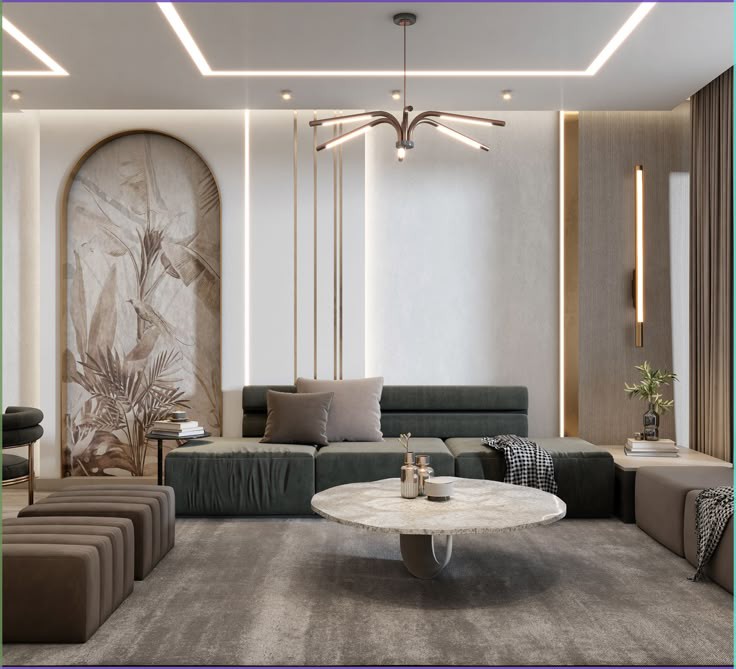
What you actually get in a bare shell flat
A bare shell flat typically comes with the RCC structure, brick walls, the main entrance door and window frames. What is missing is just as important to know: usually no flooring, no internal paint, no kitchen platform or cabinets, no bathroom tiles or fittings, and often only basic electrical and plumbing points that need finishing. In short, you are building a complete home inside an empty shell, which gives you full freedom over layout, quality and finishes.
The correct order of work
Doing things in the right sequence is the most important part of a bare shell project. The wrong order leads to damaged flooring, broken tiles and costly rework. Here is the order we follow:
- Site survey and design: measure the flat, finalise the layout and 3D design.
- Civil and waterproofing: any wall changes, bathroom and balcony waterproofing.
- Electrical and plumbing rough work: wiring routes, switch points, water lines as per design.
- Flooring: tiles or wooden flooring laid across the flat.
- Plaster, putty and base: smoothing walls and ceilings for paint.
- False ceiling: POP or gypsum ceiling with concealed lighting.
- Painting: primer and final coats once dusty work is done.
- Modular kitchen and wardrobes: installed after paint to avoid damage.
- Fittings and finishing: lights, switches, sanitaryware, hardware, curtains and decor.
What goes into the budget
A bare shell needs more spending than a builder-finished flat because nothing is done. The main cost heads are civil work, flooring, electrical and plumbing, false ceiling, painting, modular kitchen, wardrobes, bathroom fittings, and loose furniture. The biggest variables are the kitchen and wardrobes, since material choice changes the cost a lot. Always keep a small contingency of around ten percent for surprises that come up once work starts.
Key things to decide early
- Final furniture and lighting layout so electrical points match exactly.
- Kitchen layout and material before wiring, so chimney and hob points are correct.
- Flooring type and colour, as it sets the tone for the whole home.
- Number and placement of wardrobes for each bedroom.
- Bathroom tile and fitting choices before plumbing is closed.
Late decisions are the number one cause of delays and extra cost in bare shell projects. The more you finalise before work starts, the smoother and cheaper the project runs.
Common mistakes to avoid
Skipping proper bathroom and balcony waterproofing is the costliest mistake, as leaks appear within a year. Another is fixing the kitchen layout after wiring, which forces ugly visible pipes. Buying loose furniture before the design is final often leads to pieces that do not fit. Lastly, hiring different vendors for each job without coordination usually creates blame games and delays. A single experienced team for the full flat avoids all of this.
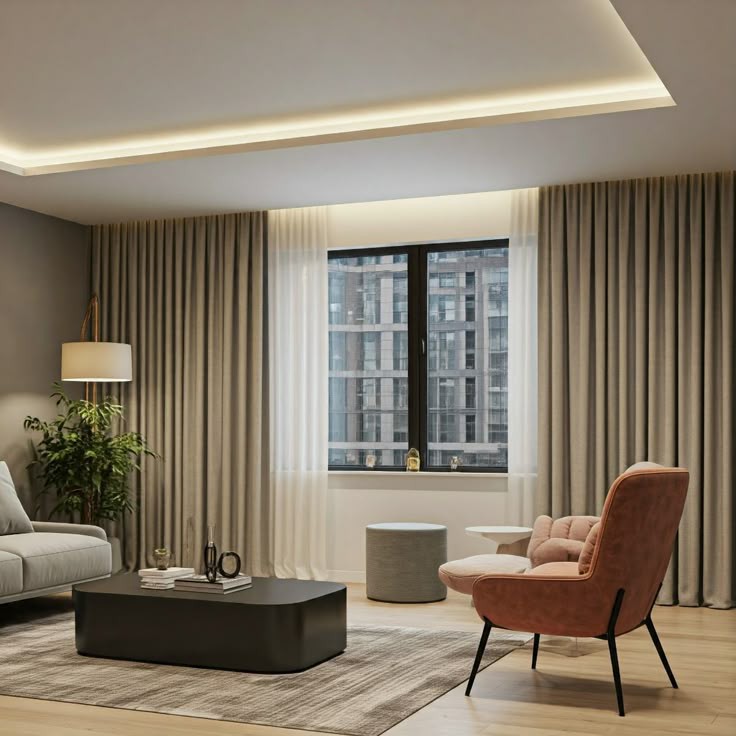
Bare shell vs semi-furnished vs ready flat
It helps to know where a bare shell sits compared to other handover types. A ready or fully furnished flat comes with flooring, kitchen, paint and fittings done by the builder, so you can move in quickly but with little control over quality and design. A semi-furnished flat usually has flooring, basic paint and bathroom fittings, but no kitchen or wardrobes. A bare shell gives you nothing inside but the most freedom of all. You decide every finish, the layout and the quality of materials. For buyers who care about getting a home built exactly to their taste, the bare shell is the best canvas, provided you plan the interiors well.
How to budget your bare shell interiors
Because everything is built from scratch, it helps to think in three layers when budgeting. The first layer is the essentials that you cannot skip: flooring, electrical, plumbing, waterproofing and painting. The second layer is the functional carpentry that makes the home usable: the modular kitchen, wardrobes, and a TV unit. The third layer is the finishing and decor: false ceiling, lighting, curtains, sofa and accessories. Decide how much of your total budget goes to each layer before you start. Most overspending happens when people pour money into decor before the essentials are properly costed. A clear split keeps the whole project balanced.
Tips to control cost without cutting quality
- Keep the builder-given layout where possible, as moving walls and plumbing adds heavy cost.
- Spend on a strong waterproof plywood core and good hardware, then save on finish if needed.
- Choose laminate for most surfaces and use premium finishes only where they are seen.
- Finalise all materials before work begins to avoid expensive last-minute changes.
- Buy lighting and decor in one go rather than piece by piece, which usually costs more.
Why hire a turnkey team for a bare shell
A bare shell flat has too many trades to manage alone. A turnkey interior partner handles design, civil, electrical, flooring, ceiling, paint, kitchen, wardrobes and finishing under one roof with one timeline and one point of contact. At Design To Decor we have completed many bare shell flats across Greater Noida West and Ace Divino, and we can give you a clear plan, timeline and quote for your flat.
WhatsApp UsFrequently Asked Questions
What is a bare shell flat?
A bare shell flat is an unfinished apartment handed over with only the basic structure, that is walls, ceiling, main door and window frames. It usually has no flooring, no kitchen, no bathroom fittings, no internal plaster paint and sometimes no internal electrical or plumbing finishing. Everything inside has to be built from scratch.
What is the order of work for a bare shell flat interior?
The usual order is civil and waterproofing first, then electrical and plumbing rough work, followed by flooring, then plaster and putty, false ceiling, painting, modular kitchen and wardrobes, and finally electrical fittings, hardware and decor. Following this sequence avoids damage and rework.
How long does a bare shell flat interior take?
A complete bare shell flat interior in Greater Noida West usually takes about 60 to 90 days depending on flat size, the amount of civil work and material choices. A 2BHK is faster than a 3BHK, and delays mostly come from late material decisions, so finalising selections early keeps the project on time.
Is a bare shell flat cheaper to buy?
A bare shell flat usually has a lower buying price because the builder has not spent on finishing. However, you must budget separately for full interiors, which can be a large amount. The advantage is full control over quality, layout and finishes, so the final home is exactly what you want.